


.svg)


.svg)
.svg)
.svg)
.svg)

.svg)

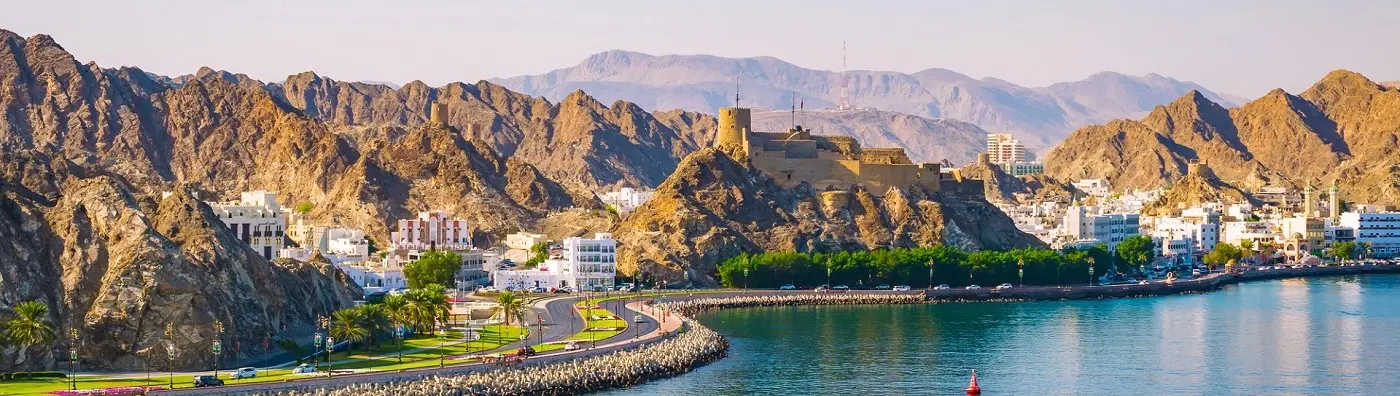


The Musandam Peninsula is the gateway to the Strait of Hormuz, where trade routes and the interests of great empires have intersected for centuries. Monuments from different eras and cultures have been preserved here, offering visitors an opportunity to discover Oman’s rich history and gain a deeper understanding of this fascinating country.
Khasab Fort
The peninsula’s main historical landmark stands by the harbor in the heart of the city. Construction of the fort began in the early 17th century, during the period of Portuguese presence in the region. After the Portuguese were expelled, the fortress served for many years as the residence of the governor and later as a courthouse.
The fort was built from clay, gravel and traditional lime mortar known as sarooj. The square citadel features four corner towers, a massive circular central tower, narrow loopholes and a protected entrance.
In the 1990s, the Omani government restored the fortress and opened an ethnographic museum inside. Its halls and courtyards display traditional dhows, navigational instruments, weapons, clothing and everyday objects used by the people of Musandam. The fortress walls offer panoramic views of the city and coastline.
Bukha Fort
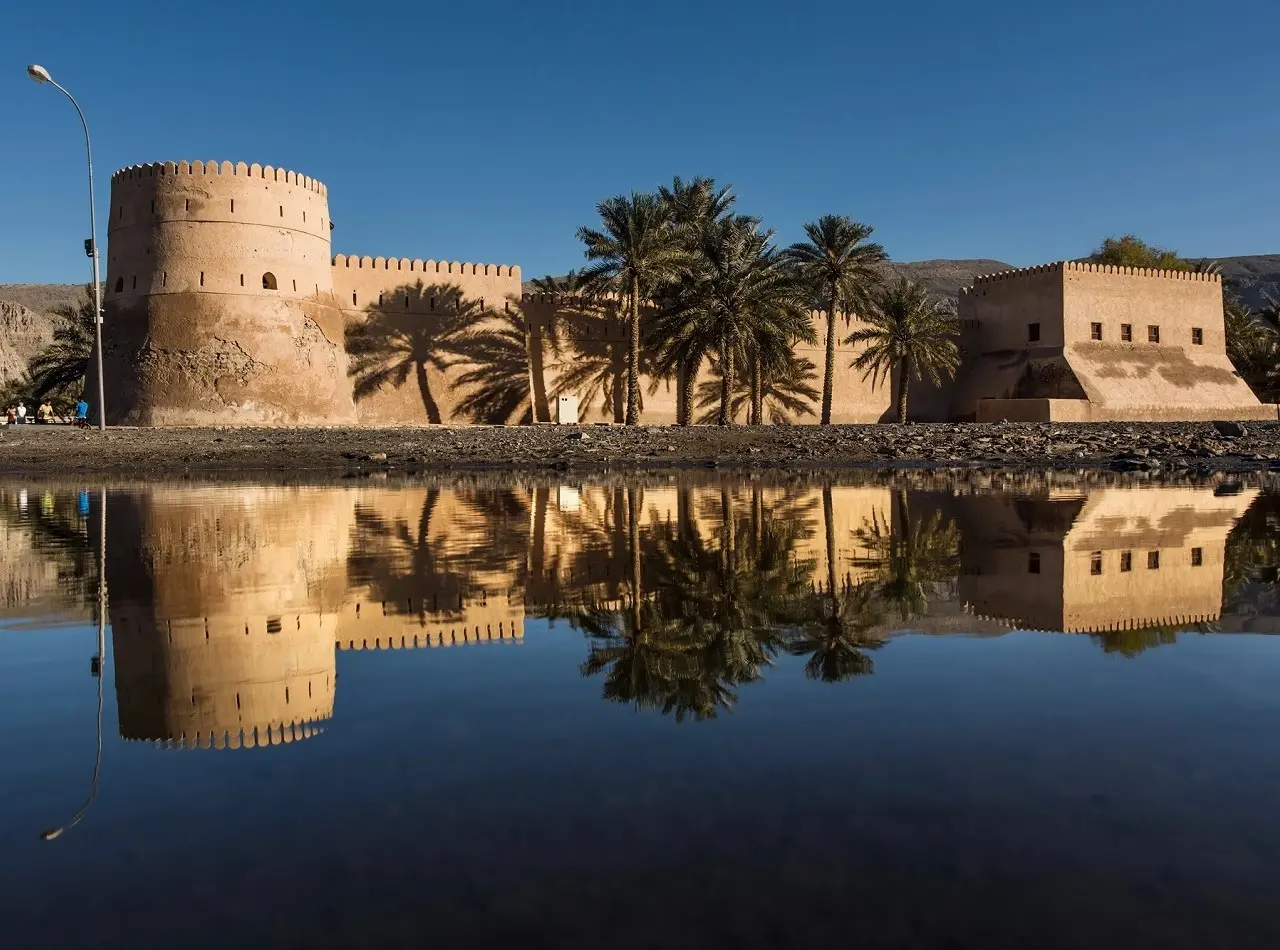
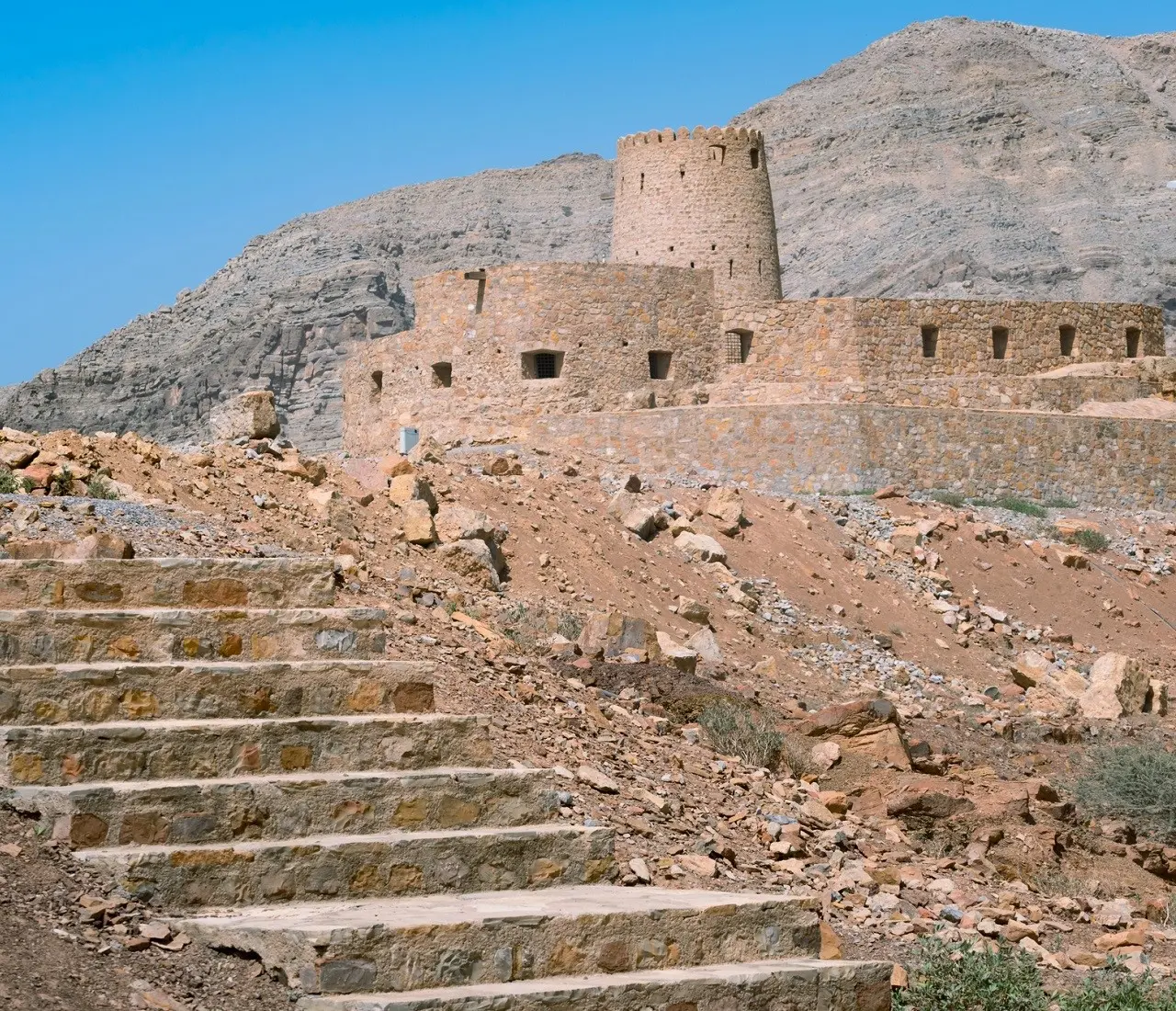
In the fishing village of Bukha, 30 kilometers southwest of Khasab, stands another fort — smaller in size, but no less fascinating. The fortress was built right on the water’s edge. The combination of stone walls, sea and rugged cliffs makes this one of Oman’s most photogenic locations.
The fort was built by the Portuguese in the 17th century on the foundations of ancient Omani fortifications. Originally a watchtower, it was later expanded into a fully fledged fortress. The fort served to protect the town and harbor, control maritime routes and perform administrative functions.
Today, visitors can see five restored rooms on the ground floor and one on the upper floor. The exhibition is more modest than the one in Khasab, but the authentic atmosphere has been preserved: thick stone walls, arched doorways and observation platforms. Take a stroll through the central courtyards, explore the defensive walls with their loopholes, and climb to the rooftop to enjoy the picturesque views.
Telegraph Island
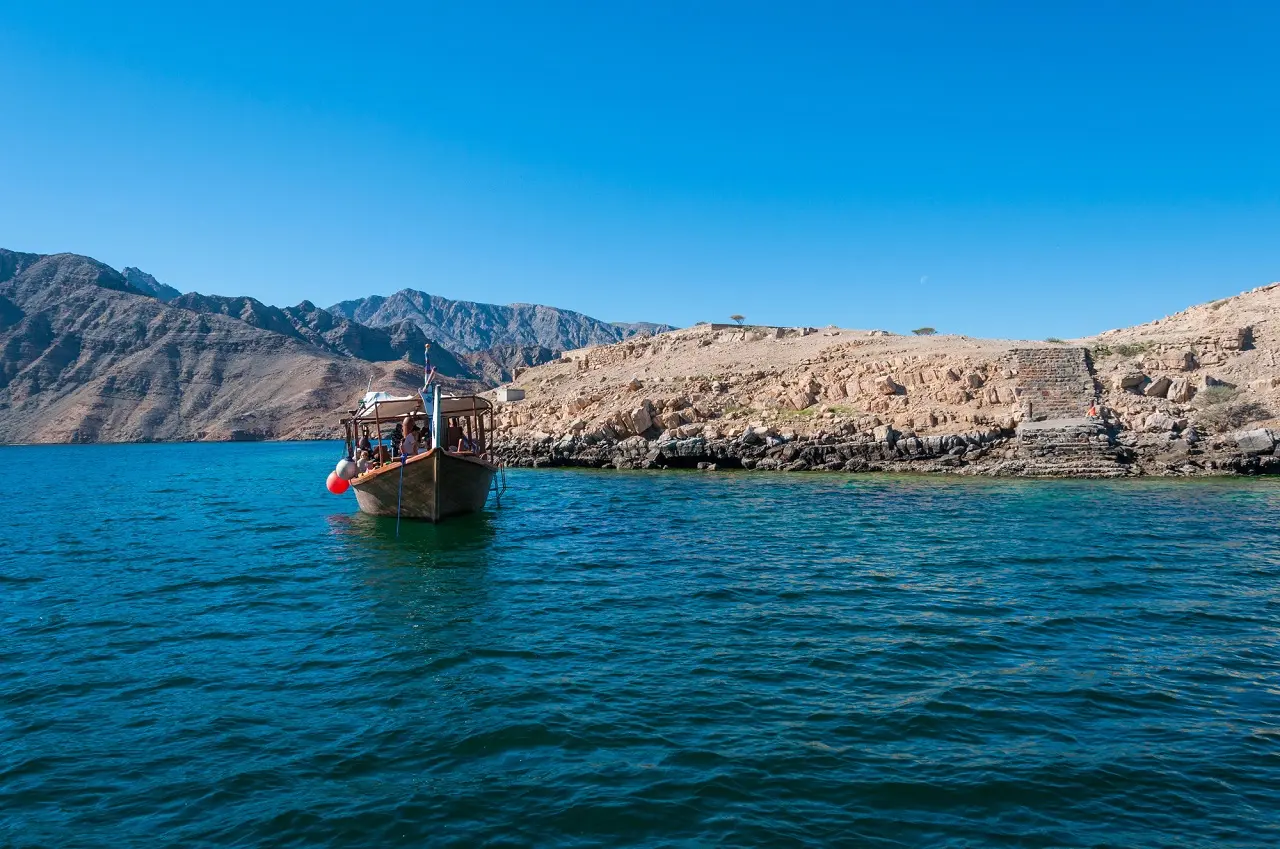
Located in the Khor Ash Sham fjord at the northern tip of Musandam, the island takes its name from the British telegraph station built here in 1864. It was part of the international communications network of the 19th century and played an important role in the development of telegraph communications in the region.
Today, only atmospheric ruins of the station remain — silent reminders of a bygone era. But the real highlight lies beneath the surface. Protected from the open sea by the surrounding fjords, the island is encircled by crystal-clear waters with visibility reaching 15–20 meters below the surface. Coral reefs, tropical fish and occasional sea turtles make this one of the best snorkeling spots in Oman. Cruises to Telegraph Island are available aboard traditional dhows, and dolphins can often be spotted during the journey.
Discover Oman’s rich cultural heritage by embarking on a journey through the historic sites of Musandam, where every gorge and every cove holds its own secrets.